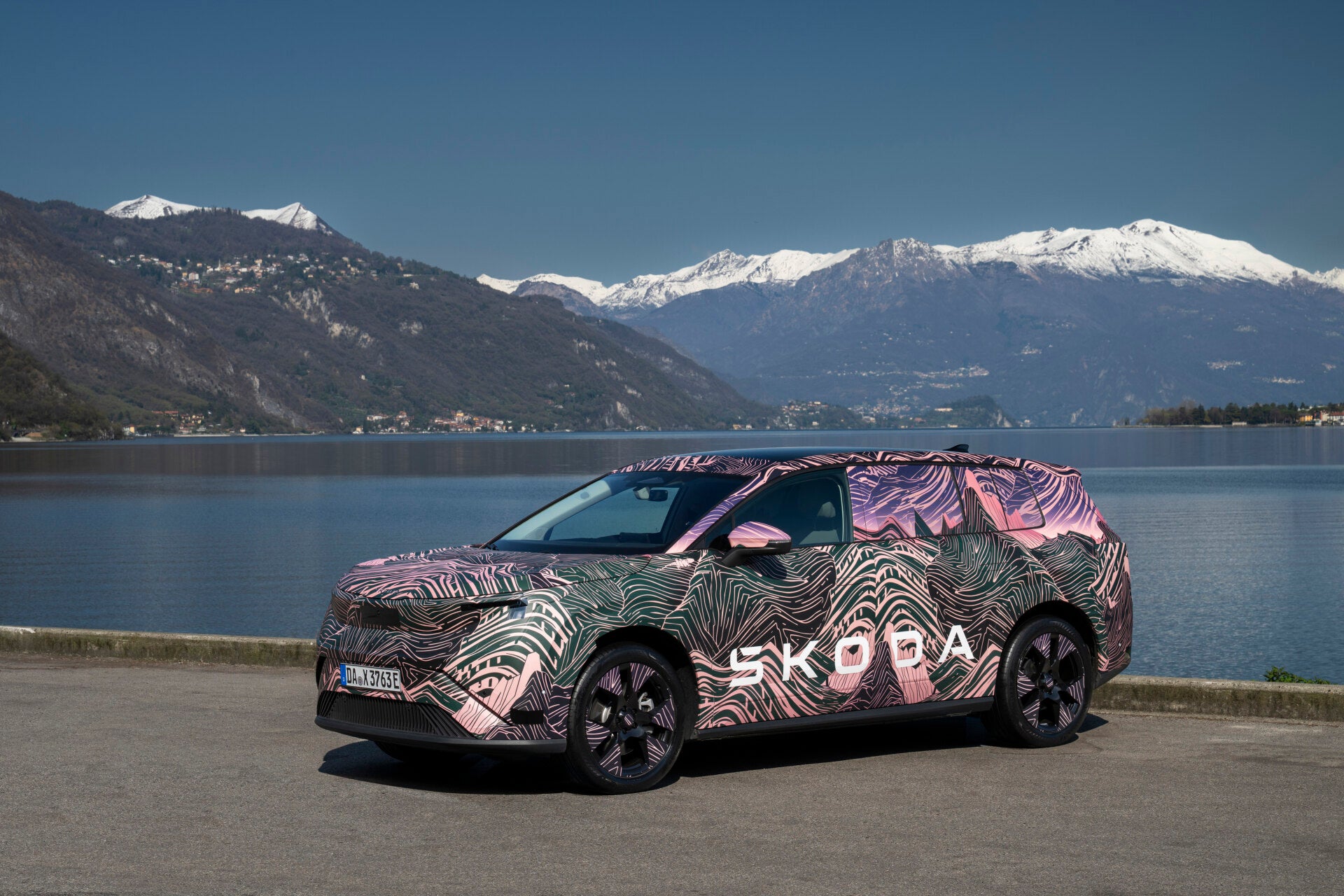
Sonos is partnering with Škoda to be the audio partner for the brand's new flagship electric vehicle, the Škoda Peaq. The system isn't a license deal — Sonos engineered the entire in-cabin audio architecture from the ground up, with every component tuned specifically for the Peaq's cabin acoustics. It will be sold as part of Škoda's optional Relax Package.
It's the first time Sonos has built a car audio system as a deliberate product rather than licensing its name to an existing third-party head unit. That distinction is the story.
What Sonos is actually delivering
The Sonos system in the Škoda Peaq isn't a rebranded Bose or Harman Kardon setup. Per Sonos's own description, every component was engineered specifically for the Peaq — driver placement, cabinet tuning, signal processing, and spatial audio implementation were all built around the car's specific cabin geometry.
The result, per Sonos, is:
- Deep, controlled bass at volume levels that won't distort the cabin
- A front-focused soundstage that pulls the listener into the music
- Balanced sound across every seat — back-seat passengers get the same sound character as front-seat passengers
- Spatial audio designed to make the cabin feel like a room designed for listening
This is the audio engineering language Sonos uses for its home products. The Peaq is the first vehicle cabin Sonos has applied that vocabulary to as a coherent, branded product.
What Tom Conrad actually said
Tom Conrad, CEO of Sonos, framed the partnership in language that's worth reading closely because it signals where the company is going:
"Sonos is built around the idea that sound should move effortlessly through the home. The car is an increasingly natural extension of that — a place where the quality of what people hear matters just as much."
"As listening flows beyond the front door, this partnership enables us to imagine how the Sonos system can too. We are excited to partner with Škoda to create a truly premium in-car listening experience for the Peaq."
The second quote is the important one. Sonos is positioning the car as the next room — an extension of the home listening environment, with the same quality standards. That's a different strategic move than licensing Sonos's name to a third-party system and walking away.
Why this is a real signal about where EV differentiation is going
For most of the EV era, vehicle differentiation has been about range, charging speed, and acceleration. Those are still the table-stakes metrics. But as the market has matured and charging infrastructure has improved, the differentiation is moving.
Three observations:
- Range has commoditized. Most new EVs in 2026 deliver 300+ miles of real-world range. The differences between 320 and 410 miles matter less than they did in 2020.
- Charging speed has plateaued. 350 kW peak is becoming standard at the high end. The site-side constraint (grid capacity, charger count) matters more than the vehicle's peak acceptance rate.
- The in-cabin experience is now where premium brands can differentiate. Sound, materials, software responsiveness, and seat comfort are the levers that still have meaningful headroom — and they don't require billion-dollar battery investments to improve.
Sonos picking Škoda as its first automotive partner is a signal that premium audio is becoming a real EV battleground, not just a checkbox on a features list. The economics work for Sonos because the company is buying reach into a category (in-car time) where attention to sound quality is high and where the existing audio options are largely undifferentiated.
For Škoda, the partnership is more interesting than it might look at first. Škoda's brand position has historically been "VAG engineering at a more accessible price point." Pairing with Sonos — a premium home audio brand — gives Škoda an attribute that no other mass-market EV in its price range has: a coherent, branded audio system that customers will recognize and trust.
What the optional Relax Package tells us
The Sonos system ships as part of an optional Relax Package, not as standard equipment. That's a deliberate choice by Škoda and worth understanding:
- Bundling audio with relaxation features lets Škoda price the whole package as a "premium experience" rather than a discrete audio upgrade. Buyers self-select based on what they're willing to pay for comfort.
- The package likely includes massaging seats, additional sound insulation, and other cabin-comfort features — Sonos audio is part of a broader cabin-quality story.
- This is a margin lever, not a volume play. Škoda is not trying to make Sonos standard across the Peaq lineup. They're trying to capture higher-margin buyers who want the premium option.
For Sonos, this is the right commercial structure for a first automotive partnership. Limited volume, high-margin, attached to a clearly premium product positioning. If the package sells well, Sonos has data showing premium audio demand in EVs at a specific price point. If it doesn't, the company has lost a small bet, not a category-defining one.
What this means for the EV audio market
Three implications worth tracking over the next 18 months:
- Other audio brands will follow. If Sonos's automotive play works, expect Bose, Bang & Olufsen, Bowers & Wilkins, and Devialet to look for similar partnerships. The premium home audio brands have the brand equity to make a coherent automotive pitch.
- The "sound system" tier becomes a real purchase driver. Once premium audio is treated as a product rather than a spec, customer expectations shift. Standard audio will eventually be expected to be good; premium audio becomes the differentiator.
- OEMs that treat audio as an afterthought lose. Tesla has been on the wrong side of this for years, with mediocre stock audio and no premium upgrade path. Sonos-Škoda makes that gap more visible.
What to watch over the next 12 months
- Relax Package take rate on the Peaq. If 25%+ of Peaq buyers add the Relax Package, the audio-as-premium-feature thesis is validated. If take rate is below 15%, Sonos's automotive pivot is a niche play.
- Whether Sonos announces a second automotive partner. A second brand would signal the strategy is repeatable. Sticking with Škoda only would signal it's a one-off.
- Tesla, Ford, GM, and Hyundai's response. Do they add premium audio partnerships, or do they continue treating cabin audio as a commodity feature?
- The Peaq's actual reception in market. Škoda's flagship EV positioning is new for the brand. If the Peaq sells in volume, the audio partnership becomes a major data point. If it doesn't, the partnership is a footnote.
The verdict
Sonos's first purpose-built car audio system is the start of a category the EV industry hasn't really paid attention to: premium in-cabin audio as a brand-defining feature, not a spec-line checkbox.
For Škoda, the partnership is a clever way to add a recognizable premium attribute at a price point below the German luxury EVs. For Sonos, it's the first move into a new category where the company's brand equity translates directly. For the broader EV market, it's a signal that the next round of differentiation will be in the cabin, not the battery.
The car is the next room. The audio industry is just starting to take that seriously.
Source: Just Auto — Sonos supplies sound system to Škoda Peaq. Cross-referenced with Automotive World coverage. AutoWheeler analysis built on the source reporting; opinion and interpretation are our own.